£47.5m in secret payments, a £10.75m fine and a suspended ban: Chelsea got away with it, and everyone knows it
Chelsea made £47.5m in secret payments under Roman Abramovich and walked away with a fine and a suspended ban. With Everton and Forest both docked points for lesser offences, the Premier League has some serious questions to answer.


Between 2011 and 2018, Chelsea Football Club reportedly made £47.5 million in payments that were never disclosed to the Premier League, the FA or any other regulatory authority.
Twenty-three million pounds went to seven unregistered agents connected to the signings of Eden Hazard, David Luiz, Ramires, Andre Schurrle and Nemanja Matic. A further £19.3 million was paid to two entities in connection with the transfers of Willian and Samuel Eto'o.
The money was paid by Roman Abramovich, the club's then-owner, directly, bypassing Chelsea's own books entirely. These weren't administrative oversights. They were deliberate, repeated and systematic.
On Monday, the Premier League announced its sanctions. Chelsea will pay £10.75 million in fines. They'll serve a nine-month ban on registering academy players from Premier League and EFL clubs, and carry a one-year first-team transfer ban, suspended for two years. In a sense, this doesn't seem to have much effect.
The West London side will walk into the next transfer window as normal, spend whatever they choose, and pay a fine that amounts to roughly what they spent on Hazard's shirt printing rights.
The reaction from around the league is not even surprising. Nottingham Forest were docked four points in the 2022/2023 season for breaching Profit and Sustainability Rules by £34.5 million, Everton were deducted eight points for a PSR breach of £41.8 million and a further two points in a separate case, and Leicester City were deducted two points on their return to the top flight.
In each of those cases, the punishment was immediate and sporting, because the Premier League's own precedent obviously stated that financial penalties alone weren't sufficient deterrents for clubs backed by wealthy owners.
The Premier League's defence of the decision rests on two arguments. The first is that the secret payments, once recalculated and added back into Chelsea's historical accounts, wouldn't have pushed the club into PSR breach territory for the relevant seasons. The second is that the current ownership, the Clearlake Capital and Todd Boehly consortium, voluntarily reported the breaches to the league in 2022 immediately after uncovering them during due diligence when they bought the club from Abramovich.
Both of those points are accurate. Neither of them fully holds up under scrutiny.
The PSR argument, though, is difficult to swallow. The suggestion that because the cheating, when added back in, still falls within the legal threshold, the sporting punishment is therefore limited, essentially rewards Chelsea for cheating efficiently.
Everton and Forest didn't hide payments, they overspent within a transparent system and paid a sporting price, Chelsea made £47.5 million in undisclosed payments, operated outside the system for seven years, and because the numbers still fit once you put them back in, the punishment is a suspended sentence and a manageable fine.
The logic would suggest that any club whose owner funds hidden payments without pushing the PSR numbers over the edge has effectively found a free pass. That cannot be what the rules were designed to allow.
Self-reporting for Mitigation

The self-reporting mitigation is the stronger argument.
The new owners had no part in what Abramovich did, and going to the league proactively, disclosing 200,000 documents and cooperating fully throughout the investigation is a different posture from the one Everton and Forest adopted when challenged.
The Premier League has always said cooperation factors into sanctions, so applying that is not unfair. But the degree of mitigation here, the difference between what Forest received for cooperation and what Chelsea received, is hard to justify on a like-for-like basis, and the league knows it.
What makes the timing particularly awkward is the Manchester City situation, which has been hanging over the league for years and involves 115 charges of financial rule-breaking dating back to 2009. City have denied all charges, and the independent commission hearing their case is still ongoing with no verdict expected before the end of this season. Monday's Chelsea announcement has set a precedent, and every City supporter in the country will have noticed exactly what kind of precedent it is.
A suspended sentence, a fine the club can absorb without blinking, and a transfer ban that doesn't actually stop you spending; if the league hands City anything close to that, the conversation about whether English football's regulatory framework has any real teeth will be very hard to shut down.
Liam Rosenior has kept his head down through all of this, and fairly so. The Chelsea manager is dealing with a squad that's conceded at least six red cards this season and was beaten 5-2 by PSG in the Champions League last week. He has enough to manage without a governance scandal running alongside it.
The players who came to training on Monday morning knew nothing about secret payments to Samuel Eto'o's agents eight years before most of them were signed.
But the principle is everyone's problem. Everton, Forest, Leicester and any other club that took a sporting punishment for financial mismanagement have every right to feel that the playing field they were told to stay within was never as level as the league pretended.
WHAT YOU SHOULD READ NEXT

Karim Benzema’s no-salary offer and Saudi Pro League questions
Karim Benzema’s rejection of a new Al-Ittihad contract with no fixed salary raises questions about pay structures and player treatment in the Saudi Pro League.
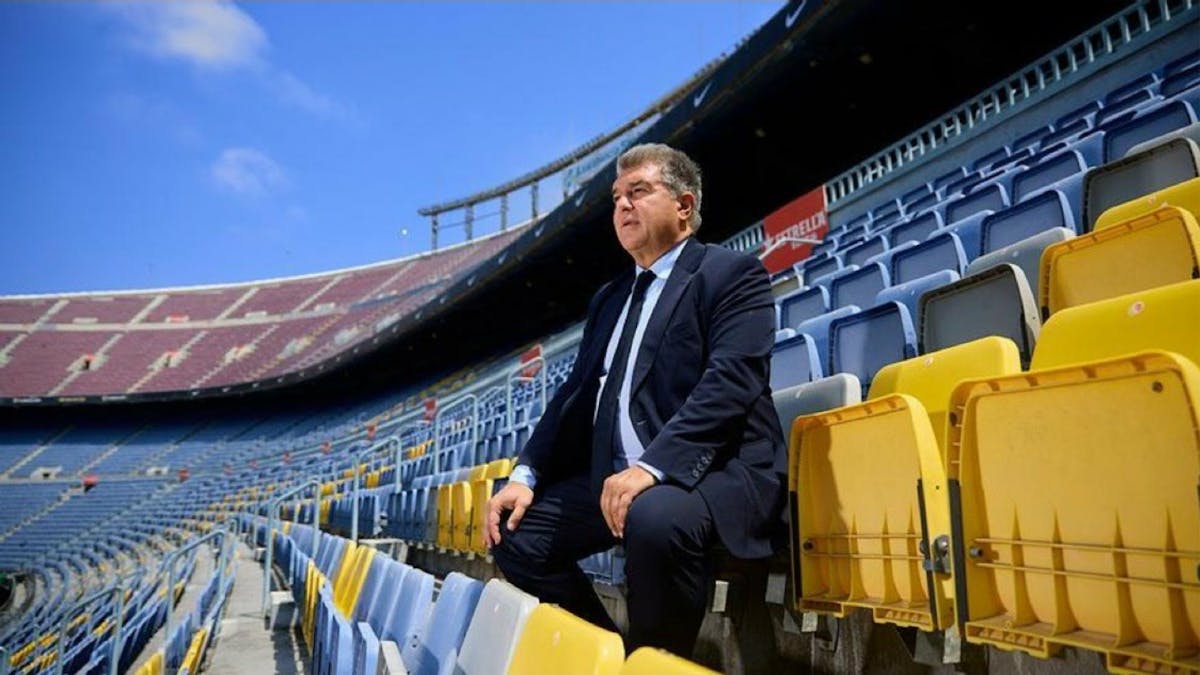
Joan Laporta resigns to run again in Barcelona’s March 15 elections.
Joan Laporta has stepped down as Barcelona president in line with club statutes, setting the stage for the March 15 elections.
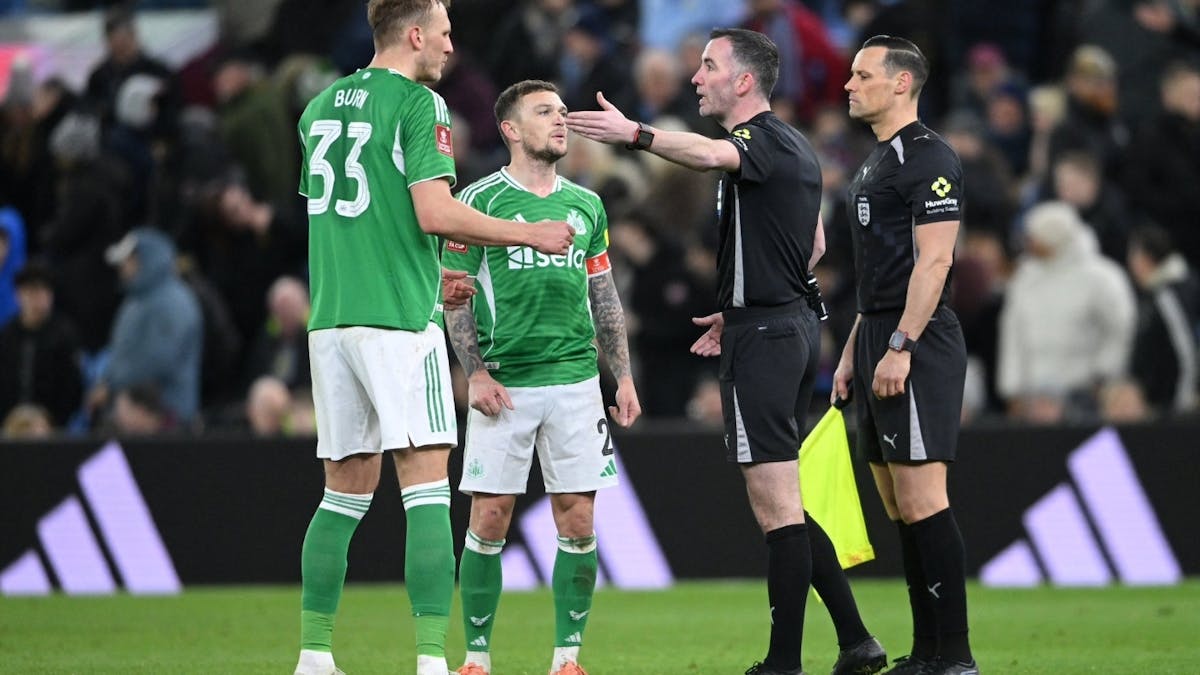
The problem with referee accountability in England
Chris Kavanagh will not referee in the Premier League this weekend. Three bad decisions in an FA Cup tie cost him his next appointment
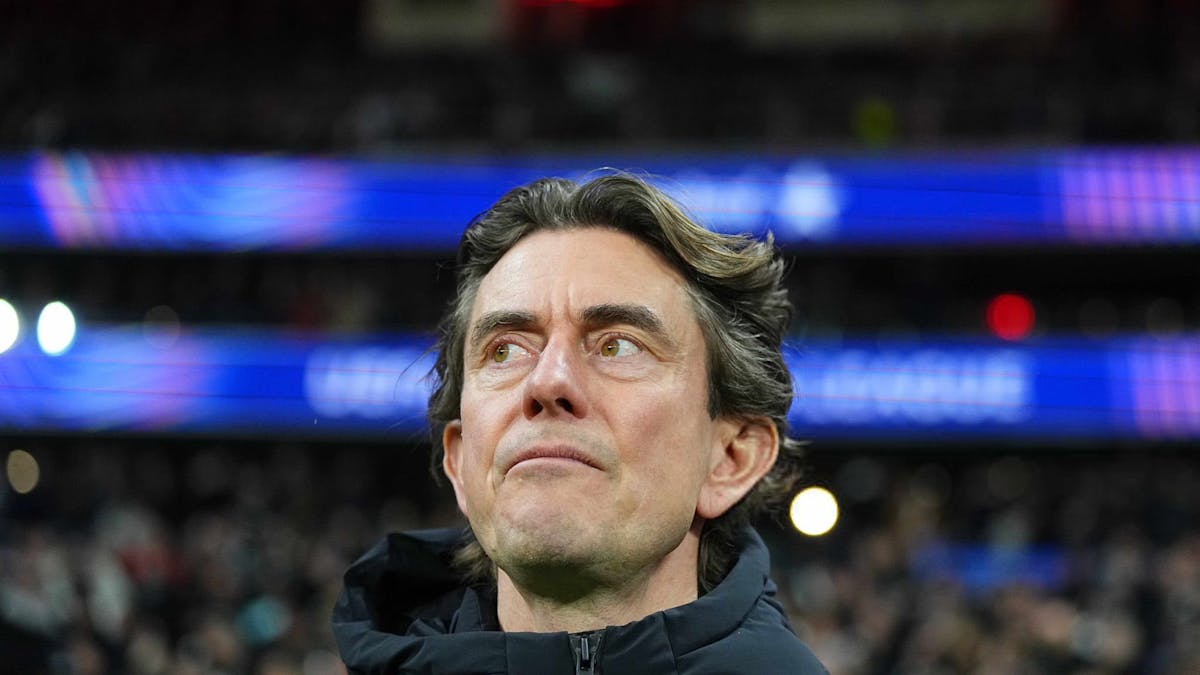
Thomas Frank and the reality of managing Tottenham
A look at Thomas Frank’s tenure at Tottenham, exploring results, injuries, fan reactions, and the challenges of managing the North London club.
Comments (0)
Latest Posts

Rice, Gabriel or Fernandes: Who should win the Premier League Player of the Season?
Bruno Fernandes is threatening assist records, Gabriel Magalhaes has anchored the best defence in the league, and Declan Rice has been present and dominant for all of it. Who should win the award.

A move to Chelsea might not be the best for Cesc Fabregas.
Chelsea are four defeats in six games and Cesc Fabregas's name has emerged as a potential replacement for Liam Rosenior. But after Xabi Alonso, Ruben Amorim and Rosenior himself, the dangers of the big step up have never been clearer.
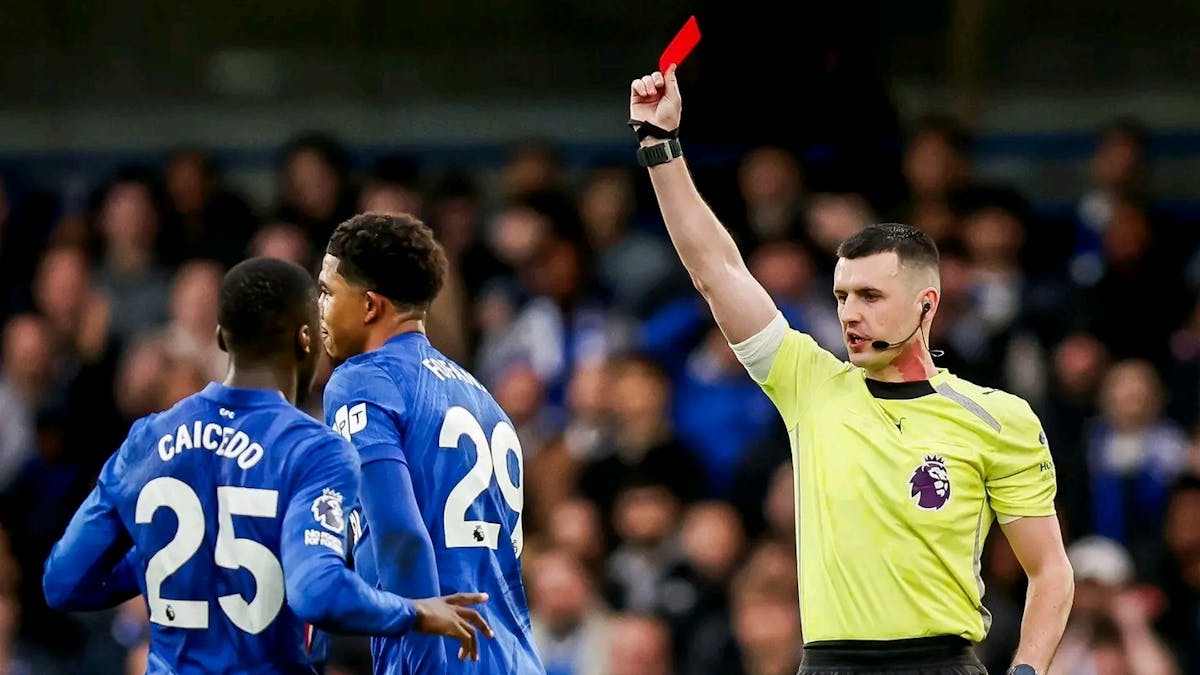
Six red cards, one season and Chelsea’s growing problem
Chelsea have seen six players sent off this season, raising serious questions about control and decision making.

Mourinho comments reignite debate around Vinícius and stadium racism
Vinícius has faced repeated racist abuse across Europe, yet the focus keeps shifting to his reactions rather than the behaviour that provokes it.

Real Madrid vs Barcelona and the meaning of El-Ćlasico
A look into the history, global power and modern stakes of El Clasico ahead of the January 11, 2026 showdown, exploring why Real Madrid vs Barcelona remains football’s greatest rivalry.
More on premier-league
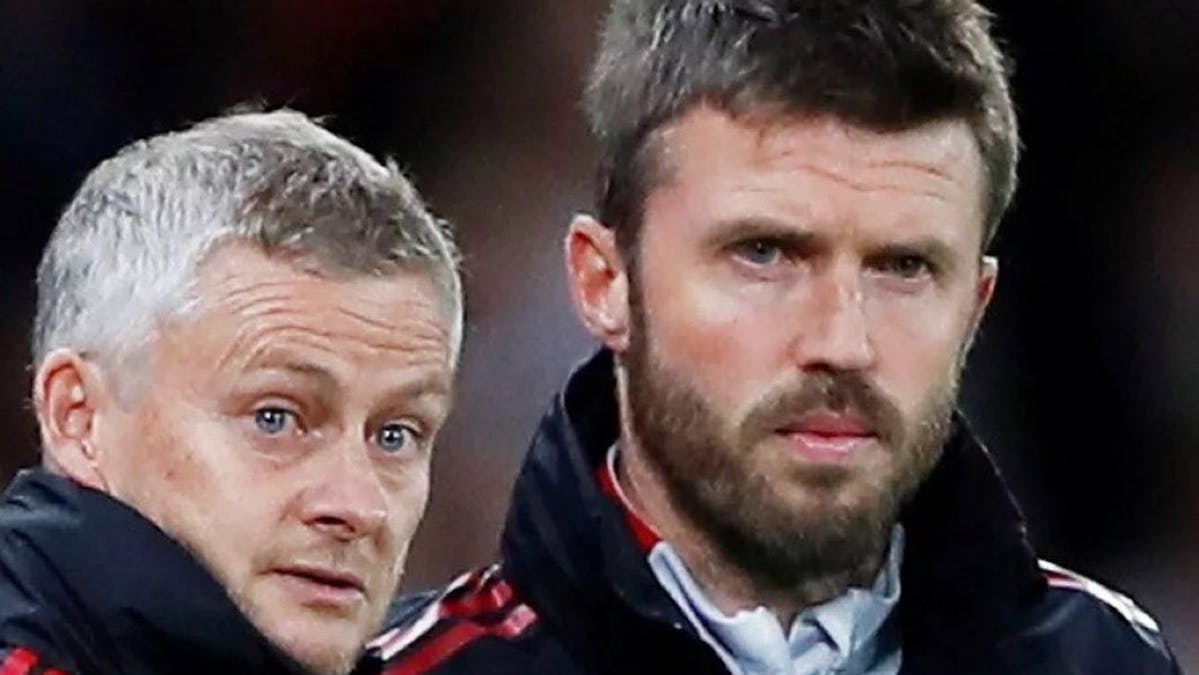
Carrick or Solskjær: Who Can Fix Manchester United?
Michael Carrick is now Manchester United’s interim manager. His style or Ole Gunnar Solskjær’s attacking approach, which is better to help the team get back on top?

Oliver Glasner and the truth behind the cup-coach label
Oliver Glasner’s cup success at Crystal Palace challenges the idea that he only thrives in knockout football, and reveals what his methods say about his personality and approach to coaching.
Thomas Frank and the reality of managing Tottenham
A look at Thomas Frank’s tenure at Tottenham, exploring results, injuries, fan reactions, and the challenges of managing the North London club.

The Haaland question: Does a striker need more than goals?
Haaland’s scoring brilliance is undisputed, but modern football demands more. Can City’s striker impact the team beyond the box?
More on nottingham-forest

Eleven games to save a season in the Premier League
Only a few points separate four clubs and only eleven matches left, one bad run could turn a difficult season into a fight for Premier League survival by March.

Nuno Espirito Santo sues Nottingham Forest while battling them in relegation fight
Sacked after just three games, Nuno Espirito Santo is now suing Nottingham Forest while competing against them in a tight Premier League relegation battle.
Try These Trivia

Only True NBA fans will Pass these Trivia
These are easy trivia question on NBA; come here and prove how well you know the basketball teams and their players.

Tell us how deep your Arsenal ties go with this Trivia
Arsenal fans are known for their loyalty; they are also known for being among the best players and team that is always hopeful for a trophy. Prove your loyalty to arsenal by passing this simple Trivia test.