Messi, Infantino and the FIFA World Cup bias debate: What is actually going on?
Gianni Infantino said he suffered with Argentina. Algeria filed a complaint. The 2022 World Cup produced five Argentine penalties. Here is everything behind the FIFA favouritism debate surrounding Lionel Messi and Argentina.
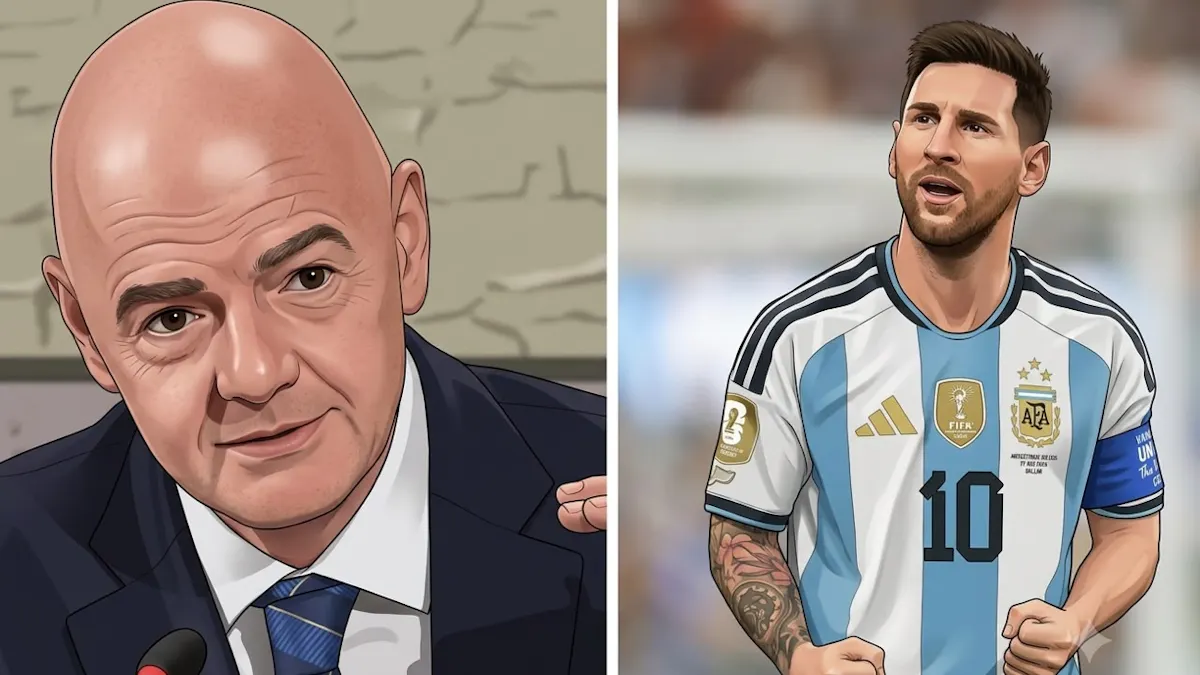
After Argentina beat Cape Verde 3-2 in extra time at the 2026 FIFA World Cup, Gianni Infantino stood in front of a camera and, in what he likely assumed was a moment of charm, told a reporter: “Tonight, I suffered with Argentina. But I'm neutral.”
Infantino realised almost immediately what he had said, visibly shifted, and tried to backtrack. But the words were already out there, and for millions of football fans who have spent years cataloguing what they believe is FIFA's consistent protection of Lionel Messi and Argentina, it felt less like a gaffe and more like confirmation.
🚨 Infantino said he suffered for Argentina today:
— The Touchmine | 𝐓 (@TouchmineX) July 4, 2026
FIFA President Gianni Infantino confirmed that he suffered tonight while following the Argentina match. 🇦🇷
But he quickly realized what he had said, so he backpedaled and added that he is neutral. 🙅🏻♂️
Why isn't he sacked…
Across seven games, Argentina were awarded five penalties. That was a new record for any team in a single World Cup. To put that in context: France reached the 2018 final and won it with three. England went out at the quarterfinal stage in 2022 with one. Whether each penalty was correct or not is a separate debate, and reasonable people can argue each decision individually. What is harder to argue away is the frequency of them and how consistently they materialised at critical moments.
Against Poland in the group stage, referee Danny Makkelie awarded Messi a penalty after goalkeeper Wojciech Szczepny's glove made contact with his face while both went for the ball. Messi missed it, but analysts and pundits almost universally agreed it was the softest penalty awarded at the tournament. Against the Netherlands in the quarterfinal, the chaos was something else entirely. Referee Antonio Mateu Lahoz issued a FIFA World Cup record 18 yellow cards and one red card across 90 minutes of football that descended into physical confrontation and constant fouling from both sides.
Frenkie de Jong called the officiating “scandalous” and said, “When regular playing time was over, the Argentina players all went to him and from then on he only whistled for Argentina. It could well be that the greatness of Lionel Messi had an influence on that.” The Netherlands were furious. So was Dutch coach Louis van Gaal. So were neutral observers. Mateu Lahoz was sent home after that game. He did not referee another match. FIFA's response to that decision was silence.
And the final itself produced more questions. Argentina went 2-0 up, France clawed it back to 2-2, and the match went to extra time. Kylian Mbappe scored a hat-trick in regulation and extra time. The VAR review that drew most scrutiny came in the build-up to Argentina's third goal, when Argentine substitutes were seen entering the field before the ball crossed the line.
Under FIFA's own rules, a goal can be disallowed in that scenario. The referee missed it. FIFA, when asked, chose not to intervene. Argentina's goal stood.
World Cup 2026: Same story?
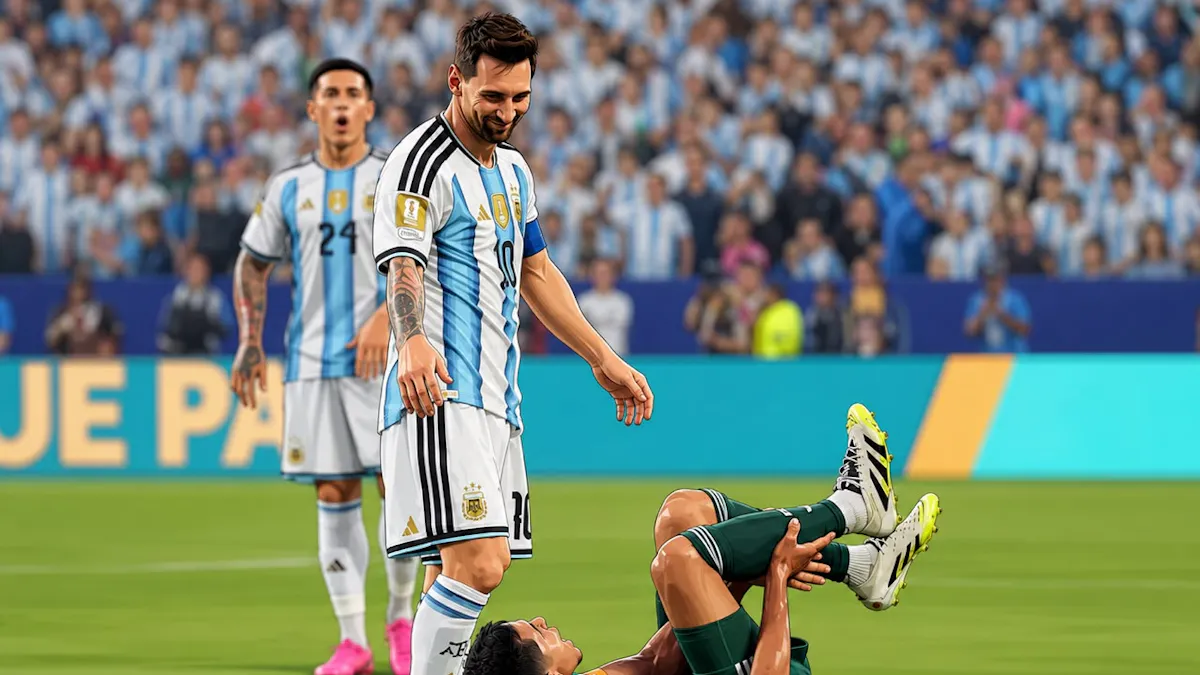
This World Cup has not been quiet on the subject either. In the group stage, Algeria filed a formal complaint with FIFA after their opening match against Argentina ended in a 3-0 defeat. The complaint highlighted a moment where Messi tackled Algerian defender Aissa Mandi from behind, stepping on his calf. The referee waved play on. Messi was not even cautioned. Algeria's complaint also included an elbow from Alexis Mac Allister that went unpunished. FIFA said it would review the decisions. No referee has been sanctioned.
Fans have compiled videos that are now circulating widely on social media during the group stage catalogued the inconsistencies across Argentina's three group matches: questionable free-kicks awarded, Messi's apparent handball in open play waved through, and a Lo Celso foul that produced a set-piece Argentina converted. Individually, each decision can be explained or debated. Collectively, maybe the pattern raises real questions.
FIFA's statutes are unambiguous. They commit the organisation to respecting internationally recognised human rights, to equal treatment of all member associations, and to impartiality in the conduct of its competitions. Infantino himself, in almost every public address, invokes the idea that football unites the world, that all 211 member nations have equal rights, equal duties, and equal obligations. That language appears in FIFA documents, on FIFA banners, and in Infantino's speeches.
The expectation behind those words is that the organisation running the World Cup should be impartial. Its president should not be rooting for any particular team. Its referees should be appointed and managed on the basis of merit and consistency, not on the basis of protecting marquee players or results. The standard FIFA sets for itself is clear. The question is whether its conduct matches it.
The debate is one thread in a broader picture of Infantino's presidency. He accepted the Order of Friendship medal from Vladimir Putin after overseeing the 2018 World Cup in Russia. He defended Qatar's human rights record publicly and repeatedly during the 2022 tournament, going so far as to say he "felt gay" and "felt like a migrant worker" in a press conference widely mocked for its tone-deafness. He scored more face time with Donald Trump in 2025 than almost any world leader, rented FIFA office space at Trump Tower in New York, and in December 2025 unilaterally created the “FIFA Peace Prize” with Trump as its inaugural recipient.
Human rights organisation FairSquare filed an eight-page formal complaint to FIFA calling it an egregious abuse of power.
At the FIFA Congress in Vancouver in April 2026, Infantino tried to orchestrate a handshake and photo opportunity between the Palestinian Football Association president Jibril Rajoub and the Israeli Football Association's vice president Basim Sheikh Suliman. Rajoub refused. He turned to the room and said: “We are suffering.”

Infantino had already decided not to sanction Israel despite the Palestinian FA's formal complaint about Israeli settlement clubs competing in Israeli-administered leagues in the occupied West Bank, and despite a growing ICC complaint accusing FIFA of aiding and abetting violations of international law. His response to the failed handshake attempt was to propose staging a Palestine versus Israel U-15 match as the opening fixture of a new youth tournament. Critics called it exploitative. The Palestinian FA said it negated the entire purpose of their appeal.
Besides, none of it is actually proven.
Bias in refereeing, even if it exists, is among the hardest things to prove in sport. Referees at the World Cup go through extensive preparation, video analysis, and FIFA's own assessment processes. The argument that a specific referee walked onto a pitch with the intention of favouring Messi is an extraordinary claim that requires extraordinary evidence. Most of the incidents cited, taken one at a time, have defensible explanations. Penalty awards involve real-time judgment calls under pressure. Missed fouls happen in every match at every tournament. The fact that a decision benefited Argentina does not automatically mean it was made because of Argentina.
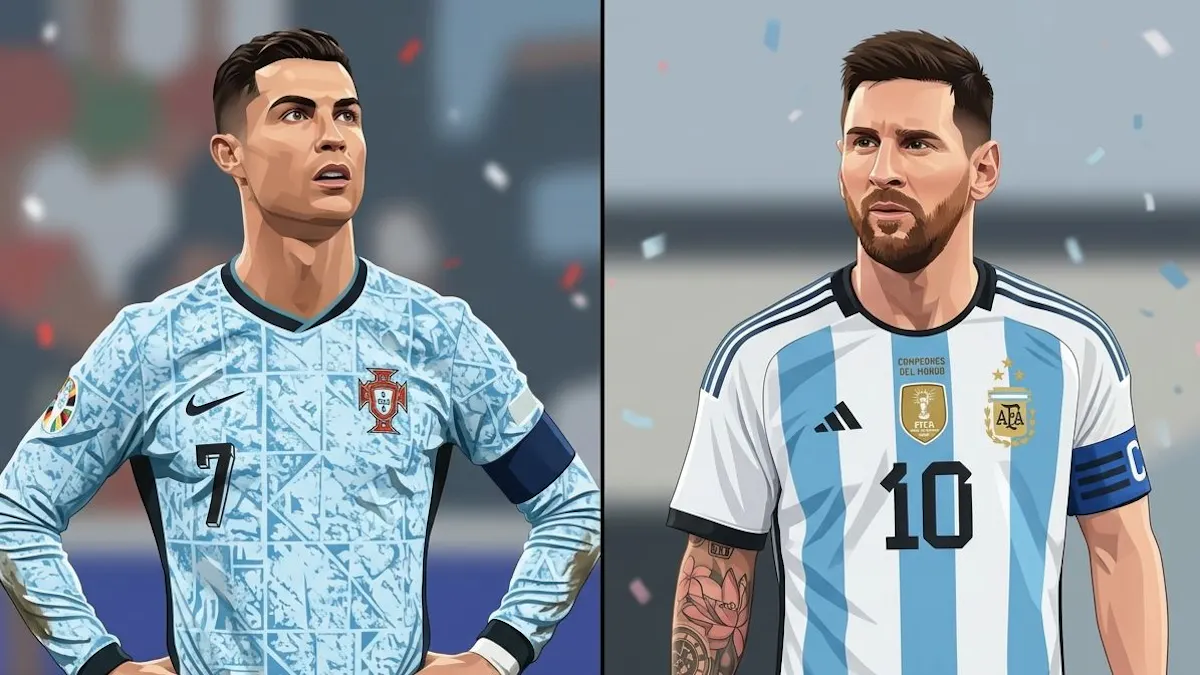
The FIFA bias debate around Messi is inseparable from the Messi-Ronaldo rivalry, because a large portion of the people most vocal about alleged FIFA favouritism towards Argentina are Ronaldo supporters. Their argument is not just that Argentina benefit from partial officiating; it is that Messi's legacy has been artificially elevated, that the 2022 trophy was not fairly earned, and that Ronaldo, who has never won a World Cup, has been denied equivalent protection and institutional support.
Ronaldo is at this World Cup too, at 41, likely in his last tournament. Portugal are in contention. If Argentina win again and Ronaldo goes home without a World Cup winner's medal, that argument will grow louder, regardless of what actually happened on any given pitch.
After Cape Verde in the round of 32, Argentina face Egypt in the round of 16. After that, potential opponents are Switzerland or Colombia in the quarterfinals, and Brazil or Germany in the semifinals. A path to the final without meeting France or Spain until the very last match.
FIFA does not control how brackets play out once the draw is made. But FIFA does control the draw process. And the draw, using a seeding system FIFA itself designed for this expanded 48-team format, produced what it produced. Whether that is coincidence, good fortune for Argentina, or something more deliberate is a question nobody can definitively answer.
WHAT YOU SHOULD READ NEXT
Al-Ahli are accusing referees of handing Cristiano Ronaldo the trophy
Ivan Toney and Galeno have accused Saudi Pro League officials of fixing the title race for Cristiano Ronaldo's Al-Nassr, after three uncalled penalties in Al-Ahli's 1-1 draw with Al-Fayha. The England international now faces a potential ban that could end his World Cup hopes.
The MSN Era: When Barcelona Ruled Football With Pure Firepower
The MSN era saw Messi, Suárez, and Neymar turn Barcelona into the most feared attacking force in world football, combining flair, balance, and efficiency.
Karim Benzema’s no-salary offer and Saudi Pro League questions
Karim Benzema’s rejection of a new Al-Ittihad contract with no fixed salary raises questions about pay structures and player treatment in the Saudi Pro League.
Premier League, Pride and Priorities | Players, Fans and a Global Divide
Premier League’s LGBTQ+ inclusion campaigns, the players’ controversies, and the cultural tensions among its global fanbase.
Comments (0)
Latest Posts
Kobe Bryant vs Tim Duncan: Two Icons, One Defining Era
Same rings, same era, two completely different paths to greatness — Kobe was cold blooded, Duncan was an architect
Magic Johnson vs Larry Bird: The Rivalry That Saved the NBA
Before Michael Jordan changed everything, Magic Johnson and Larry Bird saved the NBA with a rivalry so fierce, so compelling, and so perfectly balanced that it turned a struggling league into the greatest show in sports.
The Prestianni Law explained: World Cup 2026 mouth-covering rule
Piero Hincapie is the latest player sent off for covering his mouth at the 2026 World Cup. Here is what the Prestianni Law is and why it exists.
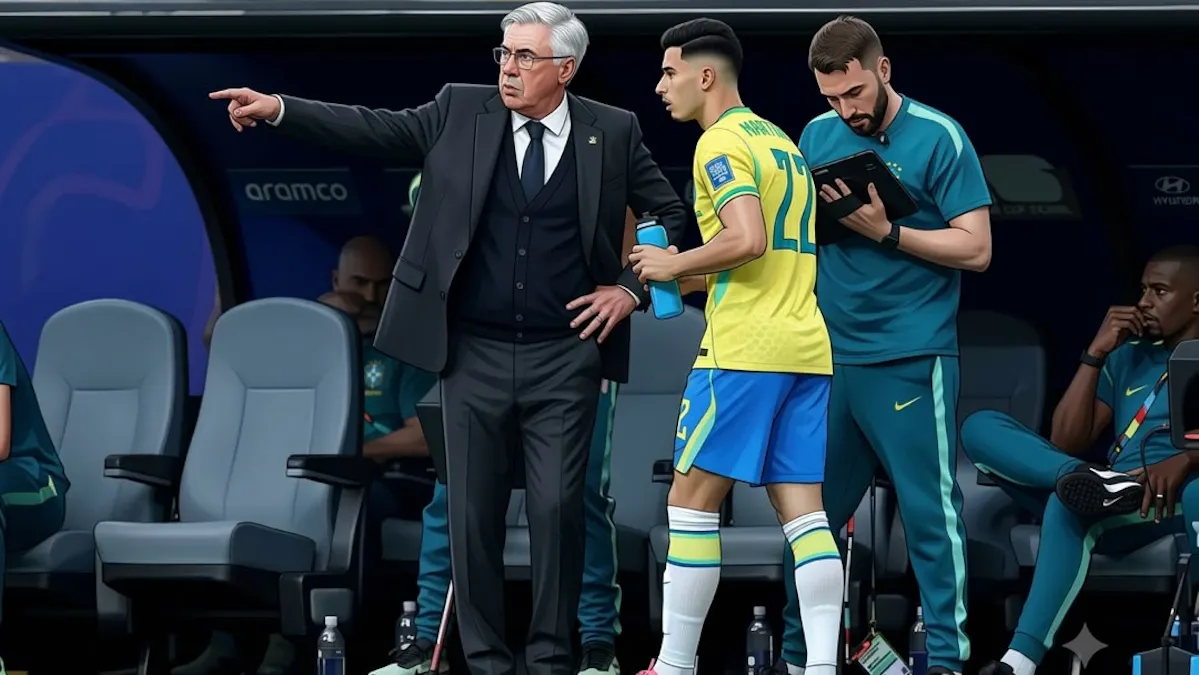
Has Arteta wrongly profiled Martinelli at Arsenal?
Martinelli scored Brazil's World Cup winner against Japan. It puts fresh focus on how Arteta has used him at Arsenal across six seasons.
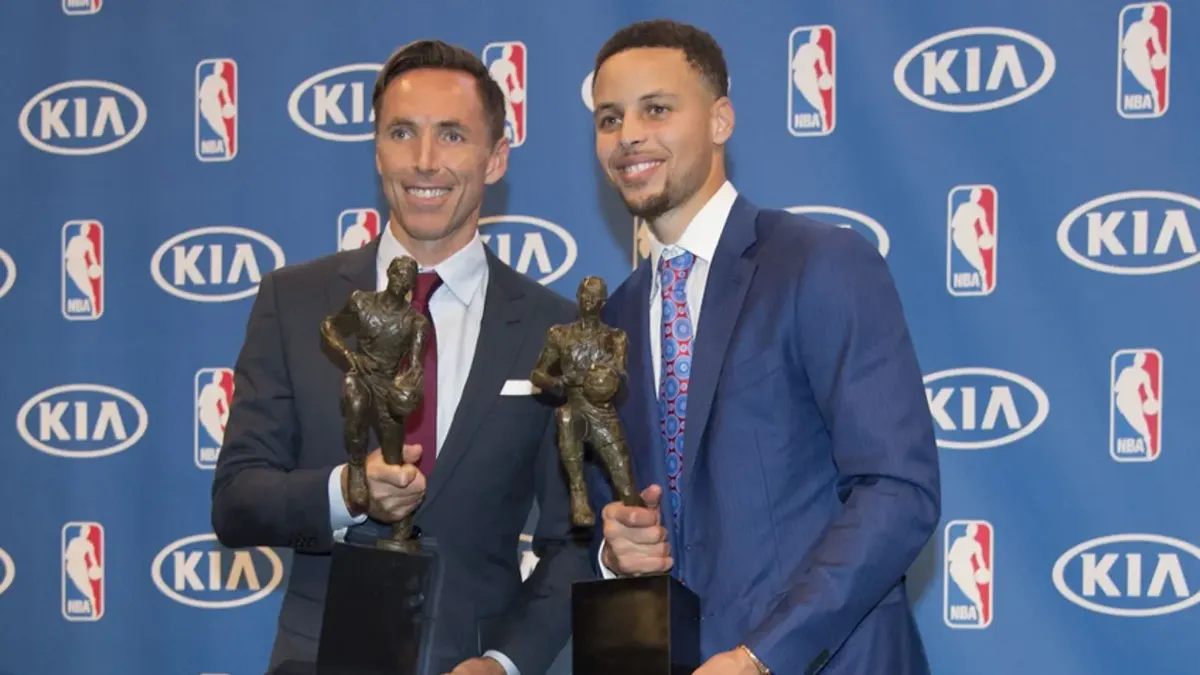
Steph Curry vs Steve Nash: Two Point Guards Who Changed Basketball
Steph Curry and Steve Nash are two of the best Point Guards the game has seen. There are only few players naturally talented than these two, but who stands on top?
More from this Category
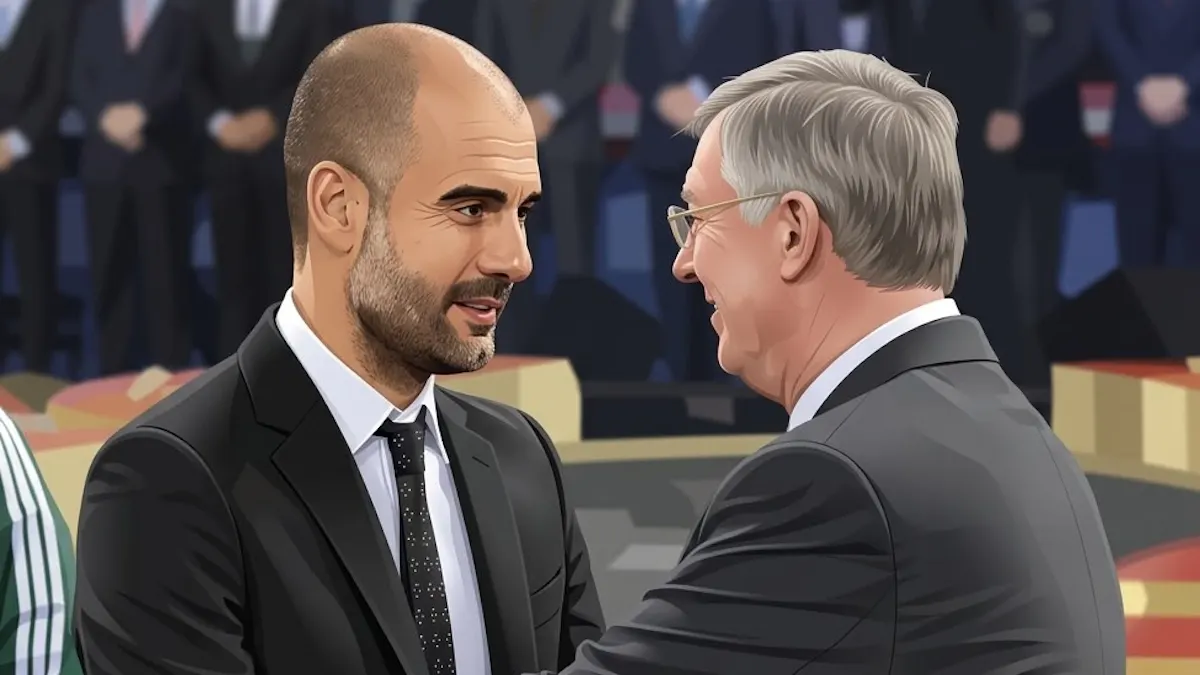
Pep Guardiola vs Sir Alex Ferguson: Football's greatest managers compared
Trophies, records, legacy, players developed. A full breakdown of where Pep Guardiola and Sir Alex Ferguson stand in the argument for the greatest football manager of all time.
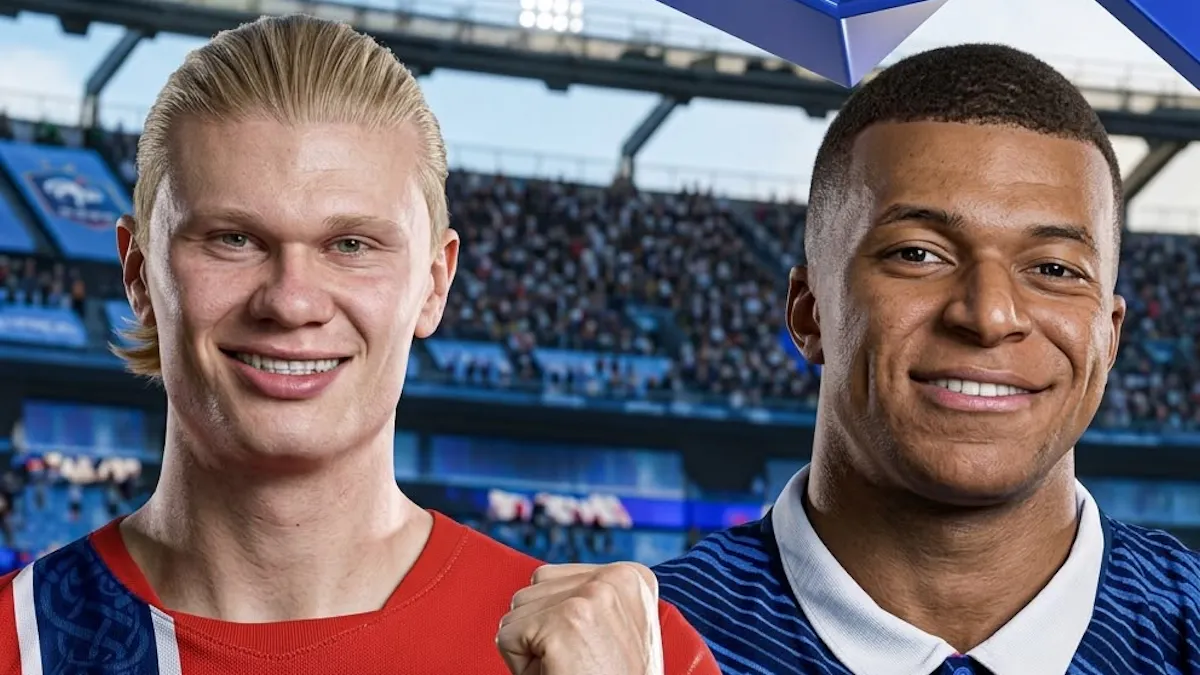
Mbappe vs Haaland: Who is the world's best striker right now?
Kylian Mbappe and Erling Haaland are both tearing through the 2026 World Cup. The stats, the arguments, and the verdict on football's defining rivalry.
The Haaland question: Does a striker need more than goals?
Haaland’s scoring brilliance is undisputed, but modern football demands more. Can City’s striker impact the team beyond the box?
Try These Trivia
Only True NBA fans will Pass these Trivia
These are easy trivia question on NBA; come here and prove how well you know the basketball teams and their players.
Tell us how deep your Arsenal ties go with this Trivia
Arsenal fans are known for their loyalty; they are also known for being among the best players and team that is always hopeful for a trophy. Prove your loyalty to arsenal by passing this simple Trivia test.